
June 1–30, 2026

Strong Today.
Healthier Tomorrow.

June is a reminder that prevention, early detection and healthy habits can help American men live longer, stronger lives. Most major diseases start quietly — your check-up is the conversation that changes everything.

Men in the U.S. are half as likely as women to see a doctor in any given year. National Men's Health Month exists to change that — for every father, son, brother, partner and friend.

Evidence-based — CDC, NIH, AHA Reviewed for U.S. guidelines
June
Four diverse American men of different generations standing together smiling

Every generation, every man

Your health is a family legacy.

0 yrs

Shorter U.S. male life expectancy vs. women (CDC)

0%

Of American men skip annual check-ups

0%

Of premature heart disease & stroke is preventable

0

U.S. Suicide & Crisis Lifeline — call or text

About the Month

A national reminder that quiet habits build loud lives.

National Men's Health Month was anchored into the U.S. calendar in 1994, when Congress and President Clinton formalized a campaign first championed by Senator Bob Dole and Congressman Bill Richardson. June was chosen to align with Father's Day — a natural moment for families to encourage the men they love to act on their health.

At its heart sits Men's Health Week (June 8–14, 2026), ending on Father's Day. Across the country, hospitals, employers, faith communities and sports teams use this week to push one clear message: prevention is power.

  1. 1992

    milestone

    Men's Health Week founded

    Congressional resolution introduced to recognize a week of focus around Father's Day.

  2. 1994

    milestone

    National observance signed

    President Clinton signs the Men's Health Week proclamation; states begin month-long campaigns.

  3. 2002

    milestone

    Blue ribbon adopted

    The blue ribbon becomes the visual symbol of men's health awareness.

  4. 2026

    milestone

    A modern movement

    Hospitals, employers and digital campaigns reach millions of American men with screenings and education.

Small Actions → Major Health Benefits

+10 min walk daily

−20% heart risk

Quit smoking

Lung risk halves in 10 yrs

−5% body weight

Cuts diabetes risk in half

1 talk a week

Lower depression scores

1 yearly check-up

Catches disease 5+ yrs earlier

Why We Celebrate

The numbers tell a story we can change.

These statistics aren't meant to scare anyone — they're meant to motivate. Every one of them moves in the right direction when American men step into preventive care.

0 yrs

Shorter average U.S. male life expectancy compared with women (CDC, 2024)

0%

Of U.S. men avoid going to the doctor for as long as possible (Cleveland Clinic survey)

0 in 4

American men will die of heart disease — still the #1 cause of male death (CDC)

0%

Of premature deaths from heart disease, stroke and diabetes are preventable (WHO/CDC)

Top 5 Health Conditions

Know what affects American men most.

Curated from the CDC, NIH, National Cancer Institute, American Heart Association, Healthline and integrative perspectives from clinicians like Dr. Berg and Dr. Axe — with evidence-based recommendations prioritized when sources differ.

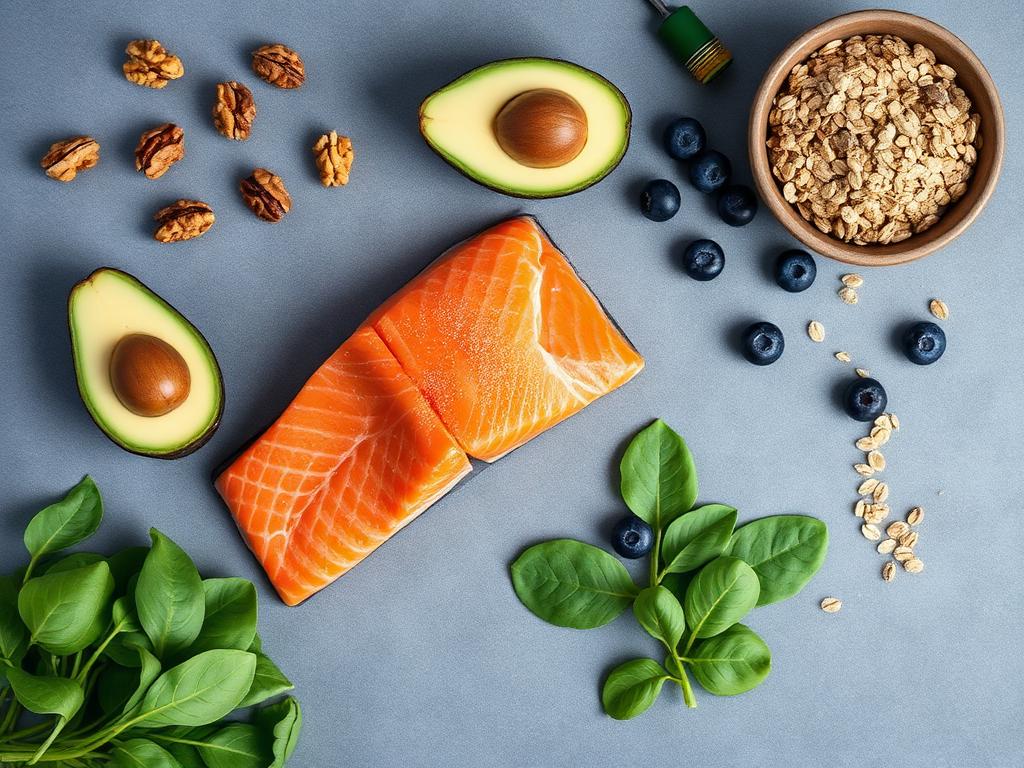
Heart Disease nutrition foods
No. 01Heart Disease

Heart Disease

Heart disease remains the #1 killer of American men, accounting for roughly 1 in every 4 male deaths in the U.S. Men tend to develop it 7–10 years earlier than women, often without obvious symptoms.

Why men are at risk: High blood pressure, high LDL cholesterol, smoking, sedentary lifestyle, type 2 diabetes, obesity, chronic stress, and family history all elevate risk — most are modifiable.

~1 in 4

Male deaths in the U.S. (CDC)

47%

U.S. adults with high blood pressure

$240B+

Annual U.S. cost of cardiovascular disease (AHA)

Early Warning Signs

  • Chest pressure, tightness, or pain
  • Shortness of breath on light activity
  • Pain in jaw, neck, back or arm
  • Unusual fatigue or cold sweats

Prevention Strategies

  • Move 150+ min/week
  • Don't smoke or vape
  • Keep BP under 120/80
  • Manage stress & sleep 7–9 hrs

Recommended Screenings

  • Blood pressure: every visit
  • Cholesterol panel: every 4–6 years (sooner if at risk)
  • Diabetes screen: from age 35
  • Coronary calcium score if intermediate risk

Foods to Eat More Often

  • Fatty fish (salmon, sardines)
  • Olive oil & avocado
  • Oats, beans, lentils
  • Berries & leafy greens
  • Walnuts & almonds

Foods to Limit

  • Processed & cured meats
  • Refined sugar & soda
  • Trans fats & deep-fried foods
  • Excess sodium (>2,300 mg/day)

Sample Daily Nutrition

Steel-cut oats + berries → grilled salmon Mediterranean bowl → lentil chili with greens.

Hydration: ~13 cups (3L) water daily for adult U.S. men (NIH)

Self-Assessment Tool

Your 2-minute Men's Health Check.

Eight quick questions covering the lifestyle factors most predictive of long-term wellness. Your responses stay on this device — nothing is stored or sent.

Question 1 / 8

How often do you exercise (30+ minutes)?

Question 2 / 8

Do you smoke or vape?

Question 3 / 8

Alcohol intake?

Question 4 / 8

Average sleep per night?

Question 5 / 8

How would you rate your stress?

Question 6 / 8

Family history of heart disease, diabetes or cancer?

Question 7 / 8

Last preventive check-up?

Question 8 / 8

How would you describe your diet?

Your wellness snapshot
/100

Answer all 8 questions to reveal your personalized snapshot and next steps.

Healthy Habits Checklist

Tick off your wins.

The twelve habits below have the strongest U.S. evidence for adding healthy years to a man's life. Mark what you've already got — celebrate it — and pick one to start this week.

Your progress

0 / 12

Men's Nutrition Guide

The plate that protects you.

A Mediterranean-style pattern — endorsed by the NIH, CDC and American Heart Association — is the most consistently protective diet for American men. Build most meals from these six pillars.

Heart-supporting

Fatty fish, olive oil, walnuts, oats, avocado.

Omega-3, monounsaturated fats, soluble fiber

Fiber-rich

Beans, lentils, berries, broccoli, whole grains.

30–38g fiber/day for U.S. men

Lean proteins

Eggs, poultry, fish, Greek yogurt, tofu, tempeh.

0.8–1.2g per kg body weight

Anti-inflammatory

Turmeric, ginger, berries, leafy greens, EVOO.

Lower CRP & joint pain

Blood-sugar balancing

Cinnamon, vinegar, eggs, nuts, non-starchy veg.

Steadier energy & focus

Brain-supportive

Salmon, blueberries, dark chocolate, leafy greens.

DHA, polyphenols, B-vitamins

½ ¼ ¼

The men's plate

½ Vegetables & fruit

Loaded with fiber, antioxidants and minerals. Aim for color variety daily.

¼ Lean protein

Fish twice a week, poultry, eggs, beans, lentils. Limit processed meats.

¼ Smart carbs

Quinoa, oats, brown rice, sweet potato, whole-grain bread, beans.

Hydration: The NIH recommends about 13 cups (3L) of fluid daily for adult U.S. men — more in heat or with activity.
Don't Wait

Symptoms that should never be ignored.

These signs can mean something serious. Calling your doctor — or 911 for emergencies — could save your life or a loved one's. Strength is acting early.

In a mental health crisis? Call or text 988

Chest pain or pressure

Especially with sweating, jaw or arm pain — call 911.

Sudden weakness or numbness

On one side of the body — possible stroke. Act F.A.S.T.

Unexplained weight loss

More than 10 lbs without trying — needs evaluation.

Persistent fatigue

Lasting >2 weeks despite rest.

Changes in urination

Frequency, urgency, weak stream, blood in urine.

Rectal bleeding

Blood in stool, dark or tarry stool.

Severe depression or hopelessness

Thoughts of self-harm — please reach out today.

New lump or skin change

Especially if growing, bleeding or changing color.

Frequently Asked Questions

Expert Answers to the Questions That Matter Most.

A multigenerational American family hiking together at golden hour
Your Move

Your health is worth prioritizing.

The strongest step any man can take is choosing prevention today. One conversation. One screening. One walk after dinner. It compounds — for you, for the people who love you, for the boys watching you.

Schedule a Checkup